Wish You Were Here: Insights from the 2026 Convene Canada Conference
Jenny Love
Published: 05/19/2026
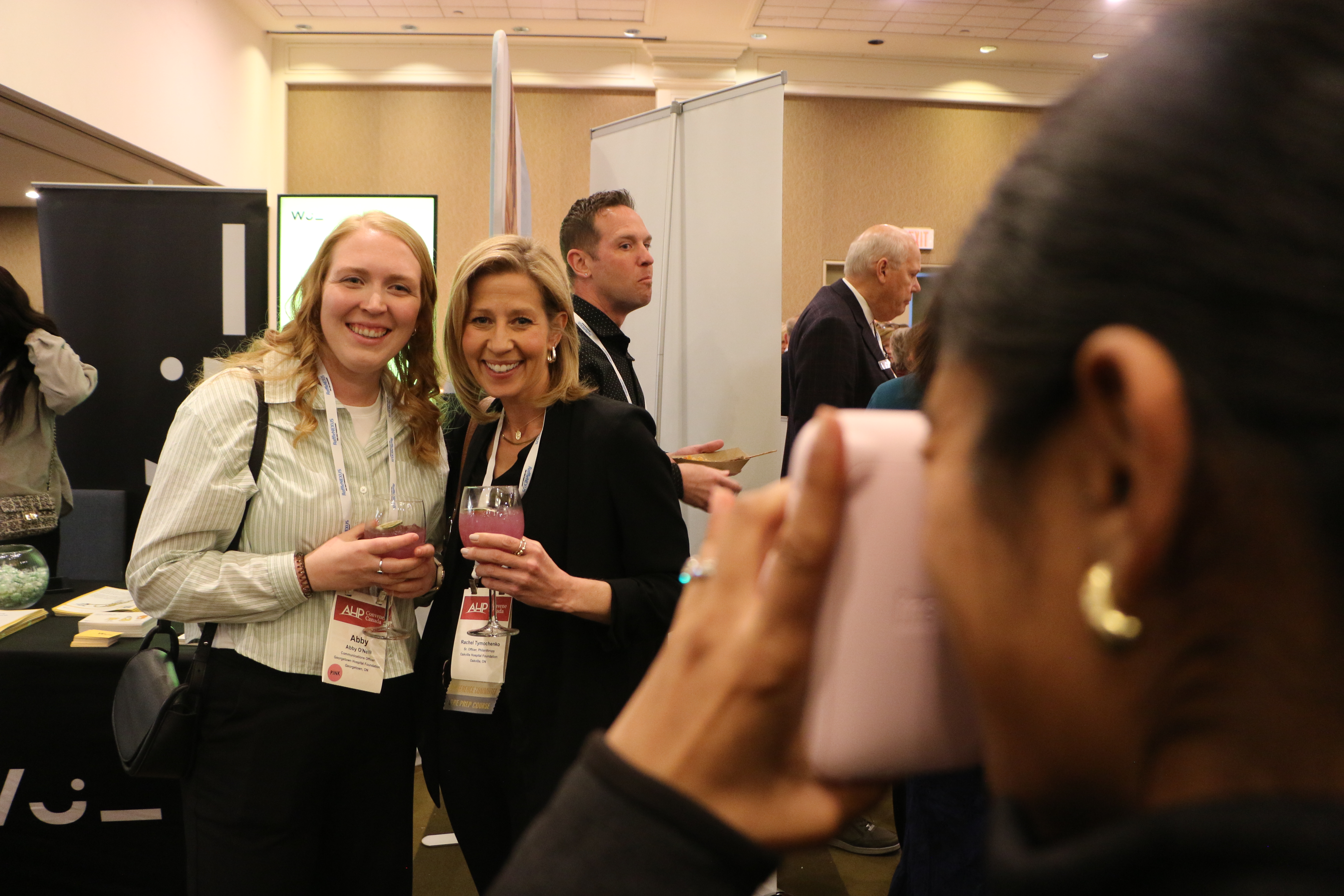
Missed the 2026 AHP Convene Canada conference? Don’t worry! We have compiled a quick overview of a few insights shared during the week that can supercharge your healthcare fundraising efforts.
Fund Health Where It Starts: In the Community
Drew Mitchell, CEO of Sport for Life, Stephanie Beck, CEO of Peace Arch Hospital Foundation, Lisa Hoglund, CFRE, CEO at Delta Hospital and Community Health Foundation, Tim Staunton, Director of Philanthropy at Langley Memorial Hospital Foundation, and Kristy James, CFRE, President and CEO at Burnaby Hospital Foundation, stress that focusing only on what happens inside the hospital isn’t enough anymore. There is rising demand, tighter capacity, and growing health gaps that are forcing a shift toward prevention and community outcomes — well before patients show up for care. But the panel was clear that this isn’t a leap of faith.
Foundations that have made the move successfully started by getting a clear green light from their boards, then setting firm parameters around what they would fund and how much risk they could take. They brought donors and board members along early, explaining why this work matters now, and being honest about the tradeoffs. Additionally, they took impact measurement seriously by tracking results over time, using both data and stories, and naming what didn’t work. The big takeaway? Going beyond the hospital walls is a thoughtful shift in how a foundation operates, not a messaging exercise.
Ignite Long‑Term Giving by Engaging the Next Generation Early
Hannah Gruber, Corporate Partnerships Specialist at University Hospital Foundation (UHF), Zain Bhanji, Philanthropy Officer at UHF, and Jillian Nowell, Signature Event Lead at UHF, along with Henny Sunner, Director of Marketing & Renovation Channel from Durabuilt Windows & Doors, made a compelling case that next generation engagement works best when younger supporters are treated as partners, not prospects. Through UHF’s Igniters program, early career donors are invited to co‑invest, learn, and shape impact alongside the foundation, building real ownership long before they’re in a position to make major or legacy gifts.
The stats shared underscored why this matters now. Gen Z donors are nearly 2.5 times more likely than older generations to increase their giving year after year. They are far more likely to engage first through social and advocacy and expect transparency and connection before they commit. Igniters meet those expectations by offering meaningful participation, clear impact, and a sense of community. Early engagement builds affinity that strengthens future leadership pipelines and grows major and legacy giving over time.
Integrate Major and Planned Giving to Enable Transformational Gifts
Instead of making them separate lanes, Greg Lichti, and Jill Nelson CFRE, MFA-P, Senior Consultants at Global Philanthropic Inc. (Canada) made a clear, practical case for combining major and planned giving conversations. Most donor wealth isn’t held in cash. Instead, it’s tied up in assets, businesses, real estate, and future estate plans. That reality changes what’s possible when fundraisers broaden the conversation.
When donors are invited to think about giving as a portfolio that can include current cash, appreciated assets, and legacy commitments, their ability to make a truly transformational impact often increases. Integration in practice doesn’t require new programs so much as new habits: shared language across teams, coordinated donor strategies over time, and collaborative planning between major gift officers, planned giving specialists, and professional advisors. When advisors are treated as partners and donor goals are viewed holistically, foundations create simpler, more meaningful paths for donors to give at their highest potential.
Assemble Strong Teams to Protect Results and Scale Impact
Ellie Rusonik, Senior Vice President/Lead at KCI, Vanessa Abaya, Vice President at VGH & UBC Hospital Foundation, Caley Bornbaum, CFRE, Chief Development Officer at Campfire Circle, and Doug Earle, CFRE, CEO at Waterloo Regional Health Network Foundation (WRHNF), made the case that fundraising performance is inseparable from talent strategy. In a competitive hiring market, foundations that succeed are getting more intentional about roles and structure by clarifying what work truly requires major gift officers’ time, how to add the right operational and stewardship support, and how to design roles that offer growth rather than burnout.
Retention mattered just as much as recruitment: transparent career paths, flexible work models, competitive compensation informed by market data, and leaders who invest in culture are what keep strong performers from leaving. When teams are understaffed, misaligned, or stretched too thin, donor relationships suffer and results plateau. In contrast, when leaders make disciplined staffing choices and invest in their people, they protect momentum, reduce risk, and position their organizations to deliver on both fundraising goals and mission impact.
Lead Small Teams with Courage, Before Small Issues Become Big Risks
Delphine Haslé, CFRE CEO of Perley Health Foundation, and Jenny Mitchell, ACC, DMA, Founder and CEO of Chavender offered a practical survival kit for leaders of small foundation teams, where even modest misalignment can consume outsized time and energy. The message was clear: avoidance is costly, and structure is the antidote.
Delphine and Jenny recommend short, predictable 1:1 conversations where expectations are clarified, feedback is given in real time, and issues are addressed before they escalate. They encourage you to document roles and performance expectations up front, then use a simple conversation structure (what the issue is, why it matters, and what needs to change) to keep discussions focused and constructive. When leaders normalize timely, respectful conversations and focus on how the work gets done just as much the work itself, underperformance stops draining the team.
Build Performance That Lasts, Year After Year
Jennifer Love, Chief Content and Marketing Officer at AHP, challenged leaders to rethink what “high performance” actually means, and why familiar metrics like cost to raise a dollar (CTRD) can quietly reward fragility instead of strength. Classic efficiency measures can make a foundation look exceptional after a lucky year, even when the underlying system is thin, overstretched, or overly dependent on one revenue source. By contrast, the data pointed to a different pattern among truly high‑performing organizations: a mature revenue mix with strong major and planned giving, visible engagement from boards and senior leaders, and enough staff infrastructure to support frontline fundraisers consistently. These foundations weren’t chasing perfection in a single metric; they were building repeatable systems that hold up over time.
The takeaway was practical and reassuring: sustainable performance comes from building a repeatable playbook that supports strong results year after year, even as conditions change.
Reimagine Board Diversity as a Strategic Fundraising Asset
Javier Schwersensky, President and CEO at the University of Winnipeg Foundation, reframed board diversity as a practical fundraising strategy, not a symbolic exercise. His starting point is simple: who you serve should shape who sits at the table. At the The University of Winnipeg, that has meant recruiting Indigenous leaders, women, and new Canadians in ways that reflect the student body, while prioritizing community credibility and real connection. The same logic applies to hospital foundations: map your patient and donor communities, identify gaps in perspective or lived experience, and intentionally build a pipeline of directors who bring both representation and influence. Javier was clear that avoiding tokenism requires discipline. Using a “needs matrix,” his team recruits board members to meet defined organizational needs—skills, experience, and community trust—not just demographic categories. When governance reflects the communities it serves in meaningful ways, trust grows, conversations deepen, and philanthropy becomes a shared effort rather than a transaction.
Missed your chance to hear these tips and many more live? There’s always next year! Sign up to receive a notification when registration opens for Convene Canada 2027 in Montreal. We’d love to see you there.